
Most businesses understand that backlinks matter. Fewer understand why some links are worth their weight in gold while others do absolutely nothing — or worse, actively hurt rankings.
The difference comes down to strategy.
Why Link Quality Beats Link Quantity Every Time
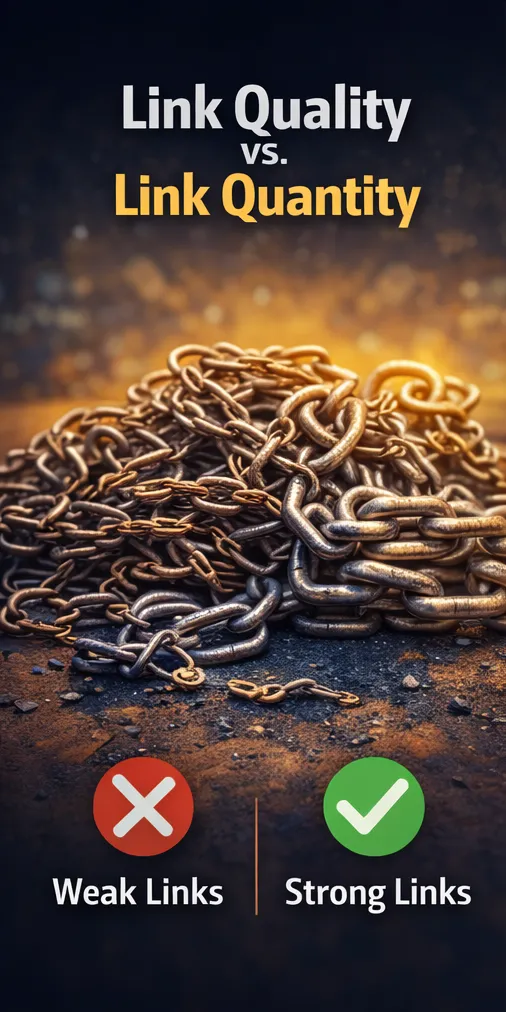
Google’s algorithm has evolved significantly since the days when sheer backlink volume could push a page to the top of the results. Today, a single link from a respected, topically relevant website can outperform dozens of links from low-quality directories or unrelated blogs.
Three factors determine link quality more than anything else:
- Relevance — A link to a Tulsa roofing company from a home improvement publication carries far more weight than one from a general coupon aggregator.
- Domain authority — Links from established, trusted sources pass more equity than newly created or low-traffic sites.
- Placement — Contextual links embedded within article body copy are significantly more valuable than footer links or sidebar widgets.
Before pursuing any link, ask whether it would make sense to a human reader. If the answer is yes, it’s probably worth pursuing.
Guest Posting Done Right
Guest posting gets a bad reputation because so many businesses do it badly. Submitting thin, generic articles to low-authority blogs with links crammed into every other sentence is a tactic that stopped working years ago — and now carries real risk of a Google penalty.
Done correctly, it remains one of the most effective link building strategies available. The key is targeting publications genuinely relevant to your industry that have an audience you’d actually want to reach. A Tulsa-based financial planning firm should be targeting personal finance publications, regional business journals, and industry-specific outlets — not just any site that accepts contributor content.
The pitch matters as much as the placement. Editors at quality publications receive dozens of requests weekly, and a compelling, specific pitch that speaks to their readers’ needs will always outperform a generic template. Think of it less as link acquisition and more as thought leadership with a bonus.
The Skyscraper Technique
Find content in your niche that has already attracted significant backlinks. Create a substantially more comprehensive version. Then reach out to the sites linking to the original.
The logic holds because you’re not asking anyone to link out of goodwill — you’re offering a genuine upgrade for their readers. If a resource guide on “best project management tools” has 47 backlinks and your version is twice as thorough, better organized, and more current, site owners have a real reason to make the swap. This approach requires real investment, but a single strong piece built around this technique can continue earning links for years without additional outreach.
These tools can help you find which pages from your competitors are earning backlinks.
Digital PR and the Power of Original Research
Journalists, bloggers, and content creators constantly need data. When a business publishes original research — surveys, industry studies, proprietary data analysis — those assets become natural link magnets. A single data-backed piece can earn coverage from dozens of publications without a single cold email.
Consider what your business already has access to. Industry benchmarks, customer behavior trends, regional market analysis — packaged into a readable and visually compelling format, any of these can attract substantial inbound links from credible sources. Digital PR takes patience and often involves working with professionals who have existing media relationships, but the links it generates tend to be among the highest-authority placements available: news outlets and established industry publications that don’t accept guest posts and don’t respond to standard outreach.
Broken Link Building: A Low-Competition Opportunity
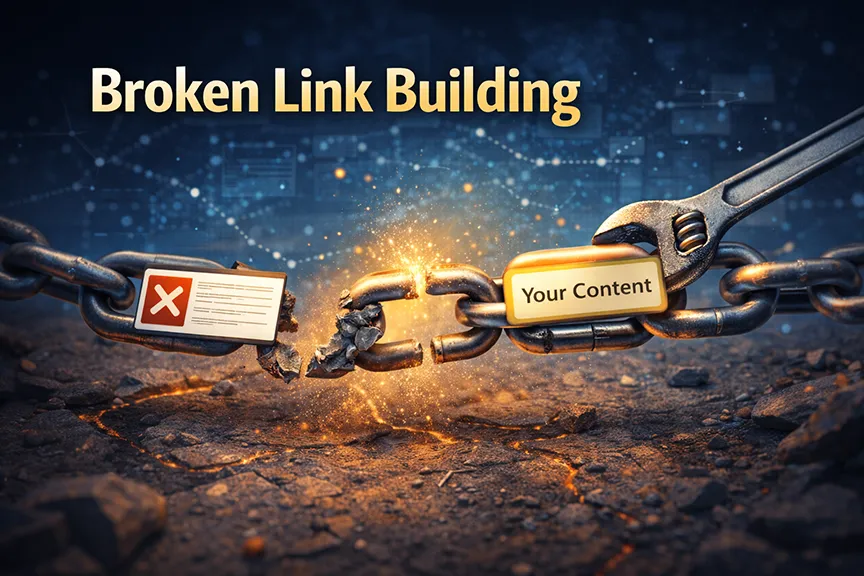
Most websites — especially older ones — have pages that link out to resources that no longer exist. Those dead links are a problem for the site owner and an opportunity for you.
The pitch is simple: “You have a broken link here — here’s a resource from us that could replace it.” Site owners are usually grateful. You’ve saved them an embarrassing error and given them a solution in the same email. Tools like Ahrefs and SEMrush make finding these opportunities manageable at scale, and resource pages or “best of” lists in your niche are the most productive places to start.
Building Links Through Strategic Partnerships
This one requires no cold outreach at all.
Businesses already have relationships with vendors, suppliers, industry associations, and complementary service providers — and those relationships are a natural source of high-quality, relevant backlinks. A simple email reminding a longtime vendor that you haven’t been featured on their client page yet can produce results in days, not months. Link back to your partners from your own site where it makes sense, and the relationship compounds over time.
What Internal Linking Has to Do With It
External link building gets most of the attention, but internal linking determines how authority flows through your site once it arrives. Every backlink your site earns passes equity to the page it lands on — internal links then distribute that equity across your content.
A common mistake is earning quality backlinks to a homepage or popular blog post while neglecting to link from those pages to the service pages that actually need ranking support. If a critical page is buried two or three clicks away from any page with strong external equity, it’s going to underperform regardless of how strong the overall link profile looks. Audit internal linking as part of any serious link building effort. It’s not glamorous work, but it’s often the fastest way to see ranking improvements from links already earned.
What to Avoid
Buying links from brokers or private blog networks might produce short-term gains, but the risk is substantial. Google’s algorithms are increasingly sophisticated at identifying unnatural link patterns, and a manual penalty can wipe out rankings that took years to build.
Excessive reciprocal linking — coordinated exchanges designed purely to inflate link counts — is in the same category. The occasional mutual link between genuine business partners is fine. A link scheme is not. The simplest test: if a link would only exist because of an SEO arrangement and not because it genuinely helps a reader, it’s not a link worth building. Many link building services will try to sell you on backlinks without clarifying where and how they’re getting these links. This is a fast way to end up with 5,000 spam links from hacked websites and garbage directories.
Frequently Asked Questions About Link Building Strategies
How long does it take for link building to affect rankings?
Most businesses see measurable movement within three to six months of a consistent effort. Links from high-authority domains often produce faster results than a larger volume of low-authority links.
How many backlinks does a site need to rank?
There’s no universal number. What matters more than volume is the quality and relevance of linking domains relative to your competitors. In less competitive niches, a handful of strong links may be enough. In highly competitive verticals, sustained, ongoing acquisition is necessary to keep pace.
Can link building hurt my site?
Poor-quality link building — particularly from spammy sources or link networks — can trigger algorithmic or manual penalties. A regular backlink audit using Ahrefs or Google Search Console helps identify and disavow harmful links before they create problems.
What’s the best link building strategy for a local business?
Local businesses benefit most from links in regional publications, chamber of commerce listings, industry-specific directories, and locally focused blogs or news outlets. Digital PR around community involvement and local data can also be highly effective.
Ready to Build an SEO Strategy That Actually Works?
Link building is a long game, and the businesses that win it are the ones with a consistent, quality-focused strategy built into their overall SEO approach. At Nozak Consulting, link building doesn’t exist in isolation — it’s part of a comprehensive plan designed around your specific goals, competitive landscape, and industry. Since 2015, our team has helped more than 500 businesses grow their organic presence through smarter SEO. If you’re ready to find out what a focused link building strategy could do for your rankings, schedule a free strategy session today.
