
Position zero has become the most coveted spot in search engine results. Featured snippets appear above the traditional first organic result, giving websites unprecedented visibility and traffic potential without paid advertising.
The competition for these prime positions continues to intensify as businesses recognize their value. Winning a featured snippet can dramatically increase your click-through rates and establish your brand as an authoritative voice in your industry.
What Are Featured Snippets?
Featured snippets are highlighted search results that Google displays at the top of the search results page. These boxes extract and showcase content directly from a webpage, answering the user’s query before they even click through to a site.
Google introduced featured snippets to provide users with quick answers to their questions. The search engine pulls relevant information from web pages it deems authoritative and presents it in a concise, easy-to-read format. When your content appears in this position, it’s displayed above all other organic results—hence the term “position zero.”
The selection process is algorithmic. Google’s systems analyze content across the web to find the most relevant and well-structured answers to specific queries. Your page doesn’t need to rank first organically to win a featured snippet, though ranking on the first page certainly helps.
The Different Types of Featured Snippets You’ll Encounter
Understanding the types of featured snippets helps you structure your content appropriately. Each format serves a different purpose and answers different kinds of queries.
Paragraph Snippets
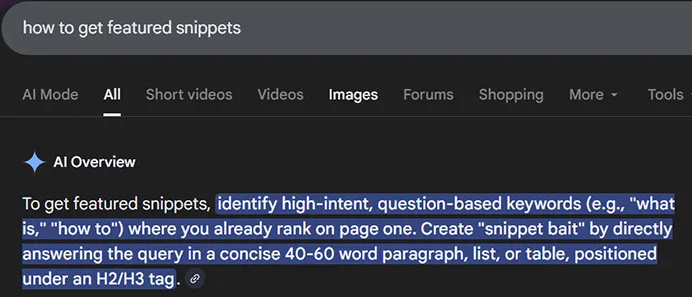
Paragraph snippets are the most common type. These typically answer “what,” “who,” “why,” and “how” questions with a brief text excerpt of 40-60 words. Google pulls a concise definition or explanation directly from your content.
List Snippets
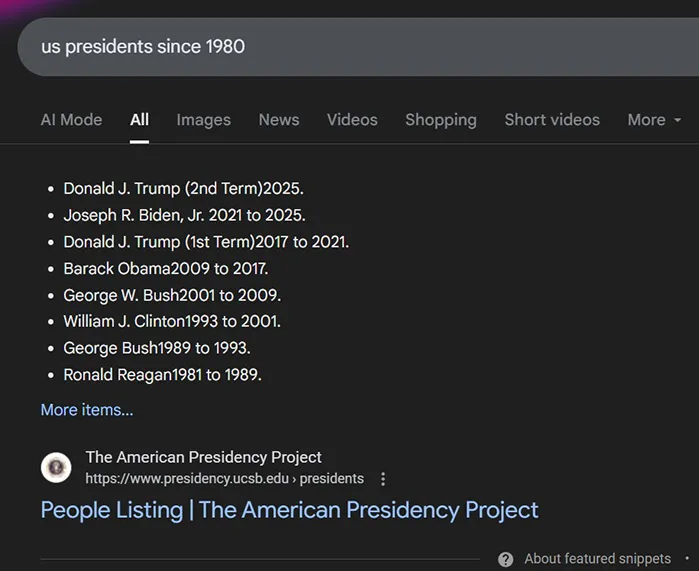
List snippets appear when users search for steps, rankings, or items in a series. These can be ordered (numbered) lists for sequential processes or unordered (bulleted) lists for collections of items. Recipes, instructions, and “best of” lists frequently trigger this format.
Table Snippets
Table snippets display data in rows and columns, perfect for comparisons, specifications, or pricing information. Google can pull existing tables from your content or create them from structured data on your page.
Video Snippets
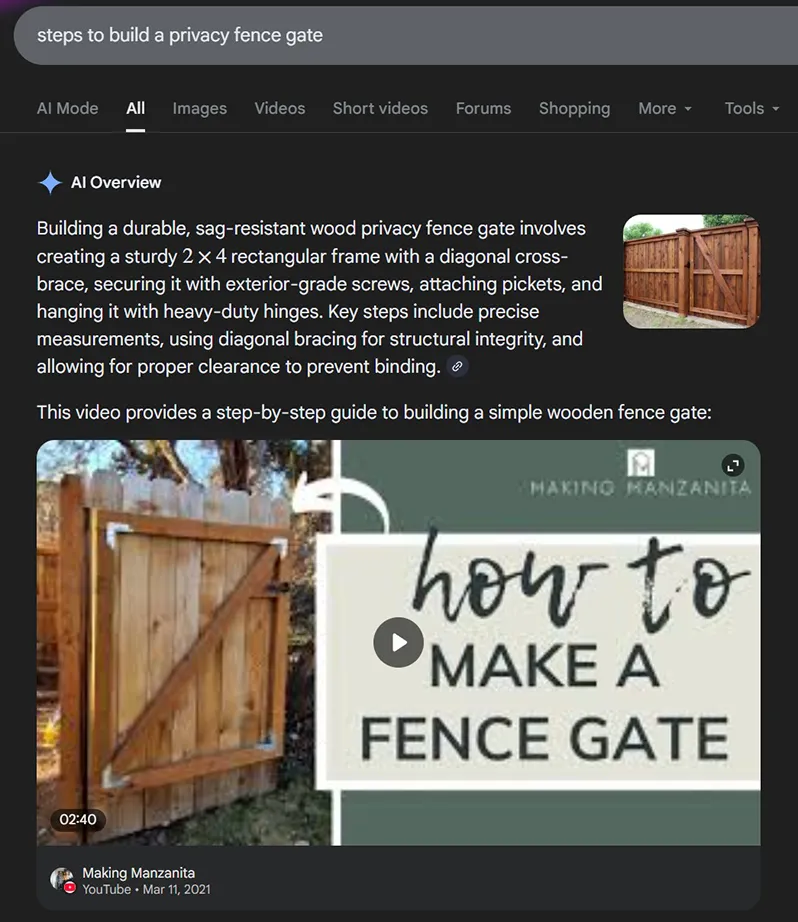
Video snippets have grown significantly, especially for how-to queries. Google may feature a YouTube video thumbnail with a timestamp linking directly to the relevant section of the video.
Benefits of Featured Snippets: Why Are Featured Snippets Important?
The benefits of featured snippets extend far beyond simple visibility. They fundamentally change how users interact with search results and how they perceive your brand.
Immediate Traffic and Visibility Gains
Winning position zero typically increases your organic click-through rate by 20-30%. Users see your content first, and the featured snippet format signals authority and trustworthiness. Even users who don’t click through still see your brand name and website, building awareness and credibility.
Voice Search Dominance
Featured snippets also dominate voice search results. When users ask Siri, Alexa, or Google Assistant a question, these devices often read the featured snippet as their answer. With voice search growing rapidly, securing these positions becomes increasingly valuable for reaching customers in new ways.
See related: How To Optimize your Website for Voice Search.
Competitive Advantages That Matter
The competitive advantage can’t be overstated. You’re literally taking space away from competitors, even those who rank above you organically. If your featured snippet provides a complete answer, users may not even need to visit competing sites. Additional benefits include:
- Enhanced brand credibility and perceived expertise
- Higher engagement rates from qualified traffic
- Reduced dependence on paid advertising
- Greater visibility on mobile devices where screen space is limited
How to Optimize for Featured Snippets
Optimization starts with understanding what your audience is searching for. Research questions related to your industry using keyword tools and Google’s “People Also Ask” section. Focus on queries that already trigger featured snippets—these are your best opportunities.
Step 1: Structure Your Content for Quick Answers
Structure your content to answer questions clearly and concisely. Place your answer near the beginning of a section, ideally within the first 100 words following a relevant heading. Use the question itself as your H2 heading when appropriate, as this directly matches user queries.
Your answer should be comprehensive but brief. Aim for 40-60 words for paragraph snippets. Define terms clearly, explain concepts simply, and avoid jargon unless your audience expects it. Google favors content that provides complete answers without unnecessary complexity.
Step 2: Format Lists and Tables Properly
For list-based snippets, use proper HTML formatting. Structure your lists with <ol> or <ul> tags, and introduce them with a clear heading. Each list item should be concise and action-oriented. Include 5-8 items for optimal results—longer lists may be truncated.
Creating tables requires HTML table tags or proper markdown formatting. Include clear headers and organize your data logically. Comparison tables work particularly well: features vs. products, specifications vs. models, or pricing tiers vs. benefits.
Step 3: Implement Schema Markup
Schema markup enhances your chances significantly. The most effective schema types for featured snippets include:
- FAQ Schema – Perfect for question-and-answer content
- HowTo Schema – Ideal for step-by-step guides and tutorials
- Review Schema – Works well for product comparisons and ratings
- Recipe Schema – Essential for food and cooking content
This structured data helps Google understand your content’s purpose and format, making it easier for the algorithm to extract and display your information.
AI Featured Snippets and the Evolving Search Landscape
Artificial intelligence is transforming how featured snippets work. Google’s AI algorithms now generate more sophisticated answers, sometimes combining information from multiple sources rather than pulling from a single page.
AI-generated overviews appear for complex queries that require synthesis of multiple perspectives. These still cite sources, but Google’s AI creates the actual answer text. Your content can still be featured as a source, earning valuable visibility and traffic even within AI-generated responses.
The shift toward AI means optimization strategies must evolve. Focus on comprehensive coverage of topics rather than just answering single questions. Create content that demonstrates expertise, authority, and trustworthiness—the qualities AI systems prioritize when selecting sources.
How to Track Featured Snippets Performance
Monitoring your featured snippet performance requires the right tools and consistent tracking. Several platforms offer specific features for tracking position zero wins.
Using Google Search Console
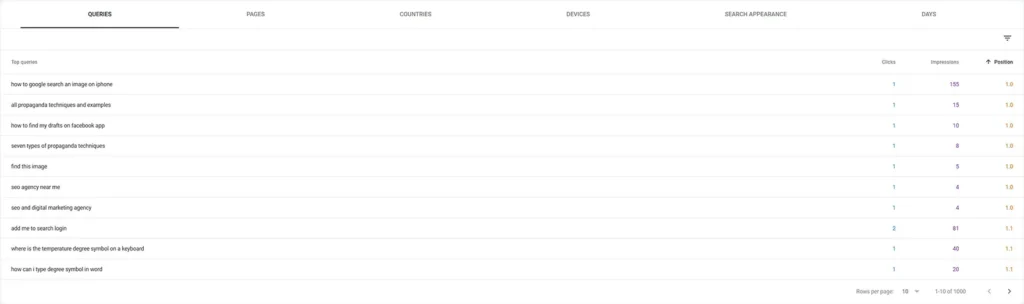
Google Search Console shows impressions and clicks for queries where you hold featured snippets, though it doesn’t explicitly label them. Look for queries where your average position is between 1.0 and 1.5—these typically indicate featured snippet wins. Compare click-through rates for these queries against your standard top-three positions.
Leveraging SEO Tools
SEMrush and Ahrefs both provide dedicated featured snippet reports. These tools identify which of your pages currently own snippets, what keywords trigger them, and which competitor snippets you could potentially win. Set up weekly monitoring to track changes and identify new opportunities.
Key Metrics to Monitor
Track metrics beyond just winning snippets. Focus on:
- Traffic increase for keywords where you gain position zero
- Overall domain authority improvements
- Additional rankings for related queries
- Click-through rate comparisons between featured and standard listings
- Conversion rates from featured snippet traffic
Manual checking remains valuable despite automation. Search for your target keywords regularly to see the actual user experience. Take screenshots of your featured snippets for reporting and to understand which content formats perform best.
Your Next Step Toward Position Zero
Featured snippets represent one of the most significant opportunities in modern SEO. The combination of increased visibility, higher click-through rates, and enhanced brand authority makes position zero a priority for any content strategy.
Success requires more than just understanding the mechanics. You need a strategic approach to content creation, a commitment to answering your audience’s questions thoroughly, and ongoing optimization based on performance data.
Ready to win more featured snippets and dominate your search results? The team at Nozak Consulting has helped hundreds of businesses optimize their content for position zero. Our proven strategies combine technical SEO expertise with content excellence to capture the rankings that matter most. Schedule a consultation today to learn how we can help your business win the featured snippets in your industry.
